
Sightseeing Map (65 locations)
Open in Full Map →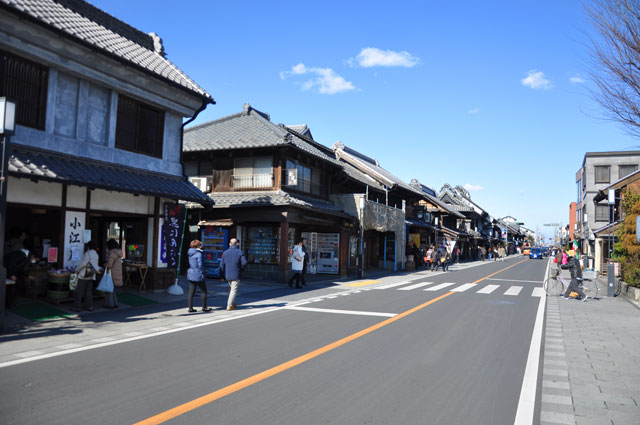
Kawagoe Ichibangai Street
Edo-style clay-walled merchant houses line this historic shopping street filled with traditional Japanese craft shops.
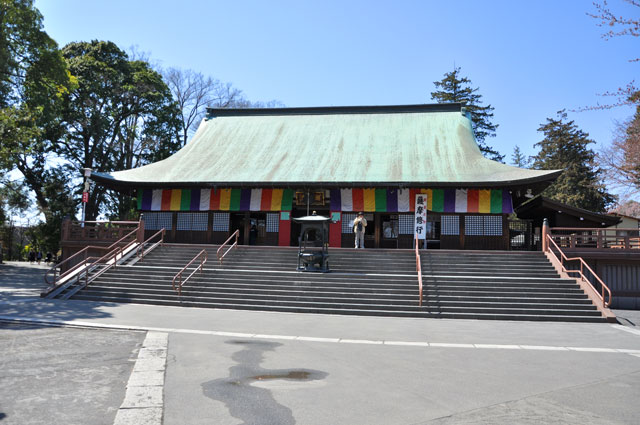
Kitain Temple
Packed with Important Cultural Properties including the Birthplace Room of Shogun Tokugawa Iemitsu—one of Saitama’s premier temples.
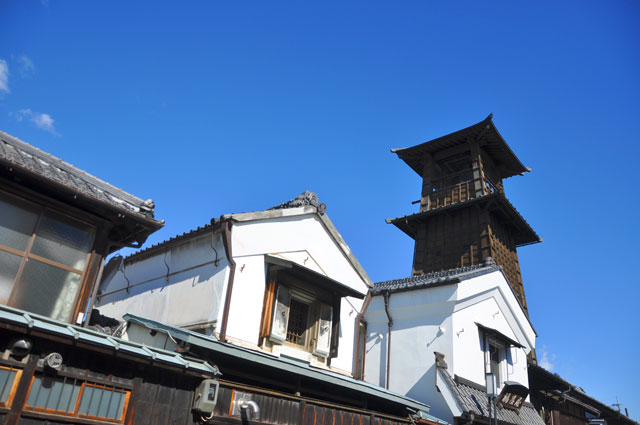
The Bell of Time (Tokinokane)
The iconic wooden bell tower standing at the heart of Kawagoe Ichibangai, symbol of Little Edo.
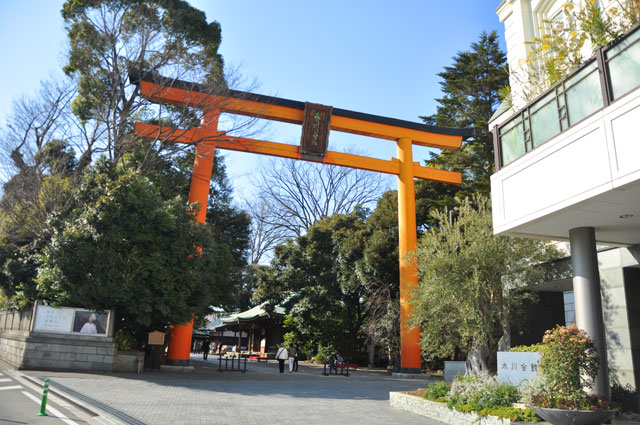
Kawagoe Hikawa Shrine
Famous for matchmaking blessings, its towering torii gate, and historic ties to the Kawagoe Festival.
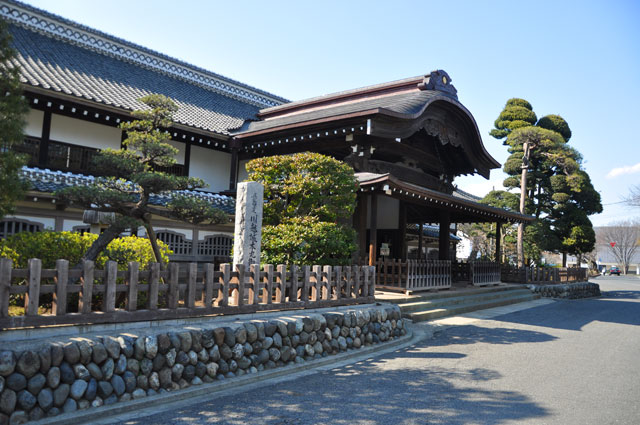
Kawagoe Castle Honmaru Goten
One of Japan’s Top 100 Castles and a rare surviving Honmaru Palace building.
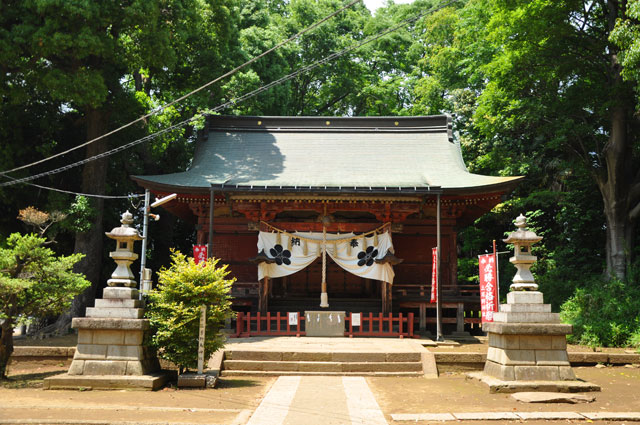
Miyoshino Shrine
Said to be the setting of the traditional children’s song “Toryanse,” with its atmospheric narrow path.
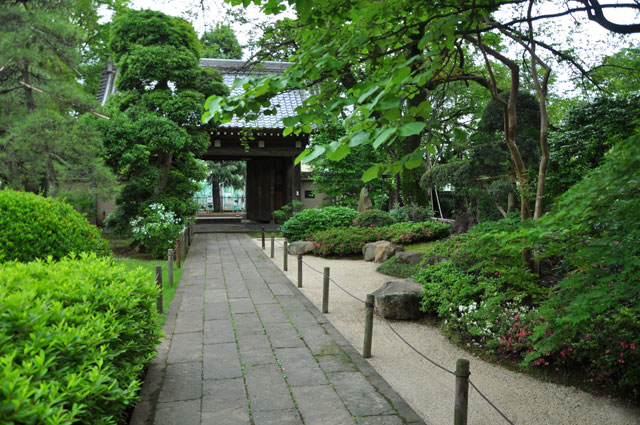
Nakain Temple
A tranquil temple with a Kyoto-like atmosphere and a compact, refined garden.
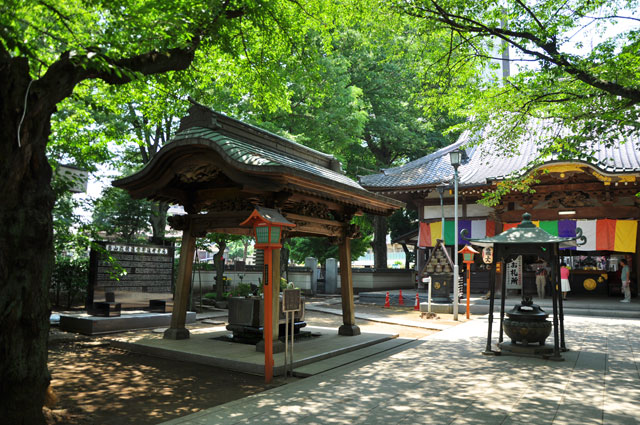
Renkeiji Temple
Known for touching the Obinzuru statue for healing and the lively Donryu-day fair on the 8th of each month.
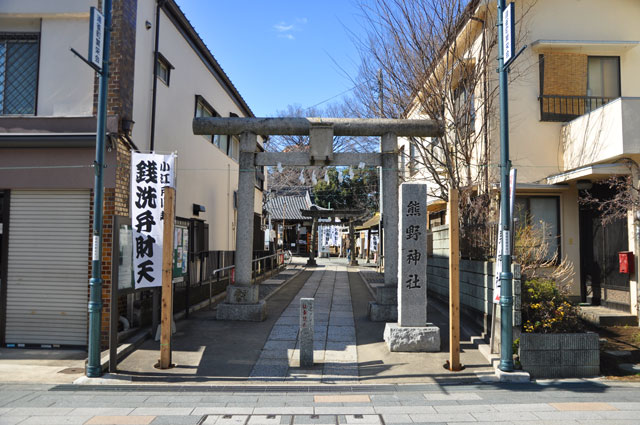
Kawagoe Kumano Shrine
Popular for good fortune and matchmaking, featuring a coin-washing Benzaiten shrine and many omikuji fortunes.
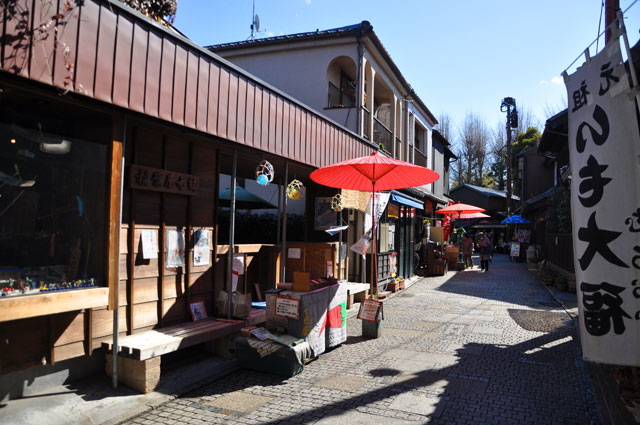
Candy Alley (Kashiya Yokocho)
A nostalgic lane of dozens of shops selling traditional penny candies and snacks.
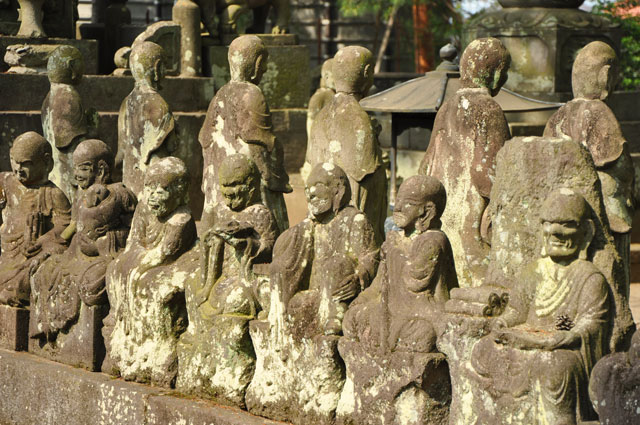
500 Arhats Statues
Hundreds of stone arhat statues with unique expressions—counted among Japan’s Three Great Rakan.
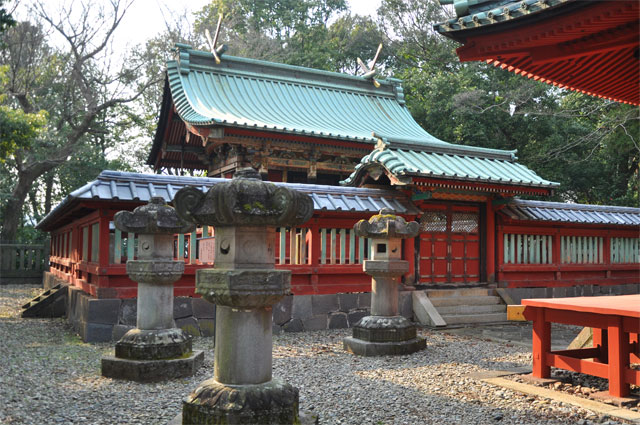
Senba Toshogu
One of Japan’s Three Great Toshogu Shrines, featuring several nationally designated Important Cultural Properties.
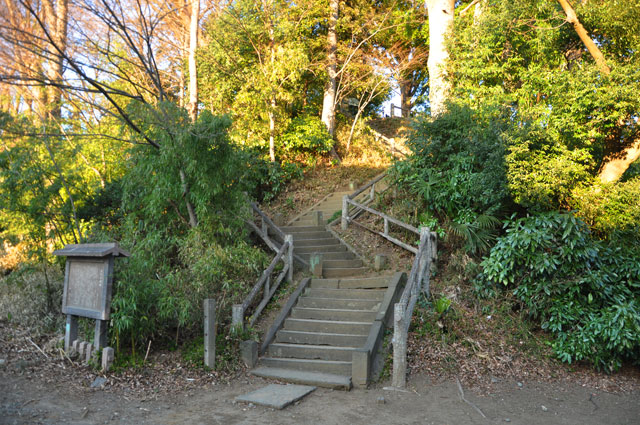
Kawagoe Castle Fujimi Yagura Ato
Site of the Fujimi Yagura watchtower that once served in place of Kawagoe Castle’s main keep.
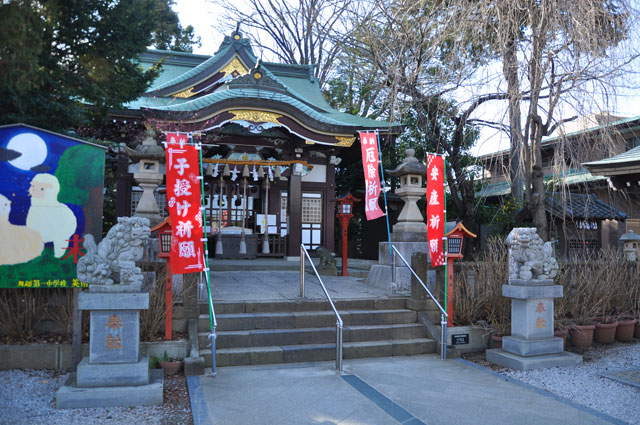
Kawagoe Hachimangu
Known for matchmaking, leg/back health blessings, and a giant zodiac ema votive plaque.
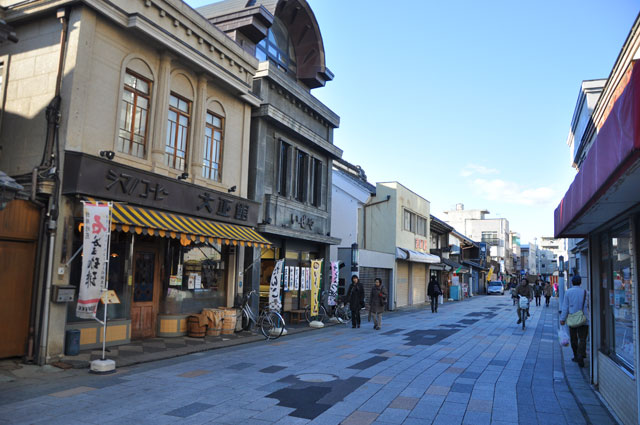
Taisho Roman Yume Dori
A retro Taisho-era shopping street linking Crea Mall and Ichibangai.
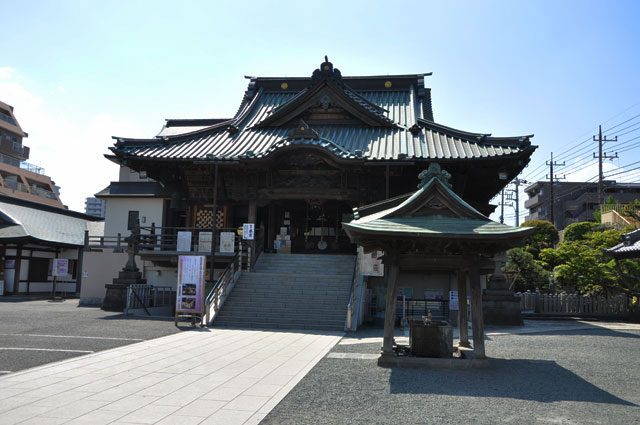
Naritasan Kawagoe Betsuin Temple
Branch temple of Naritasan Shinshoji, famous for its monthly flea and antique market on the 28th.
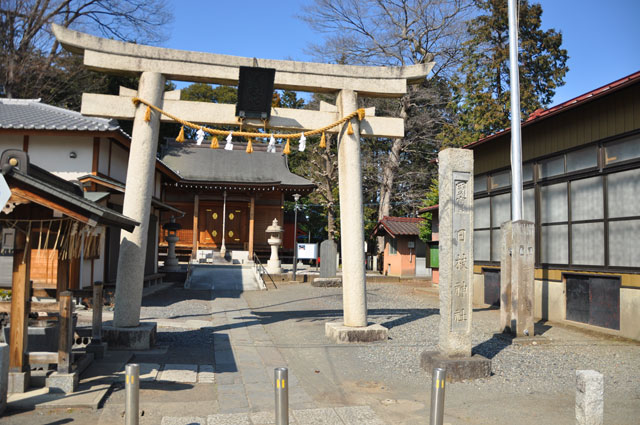
Hie Shrine
A modest shrine said to be the original source from which Tokyo’s famous Akasaka Hie Shrine was enshrined.
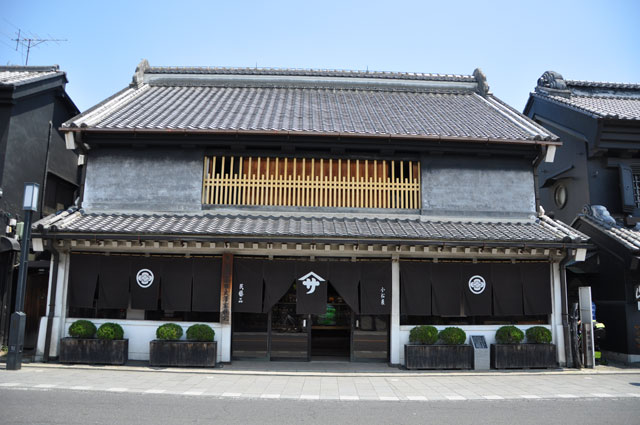
the Osawa Family House
Kawagoe’s oldest surviving kurazukuri warehouse house on Ichibangai and a National Important Cultural Property.
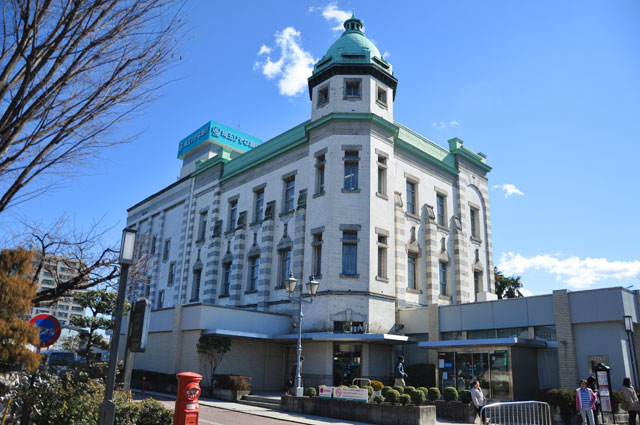
Resona Coedo Terrace
A historic former bank building (Registered Tangible Cultural Property) reopened in 2024 as a cultural and dining hub.
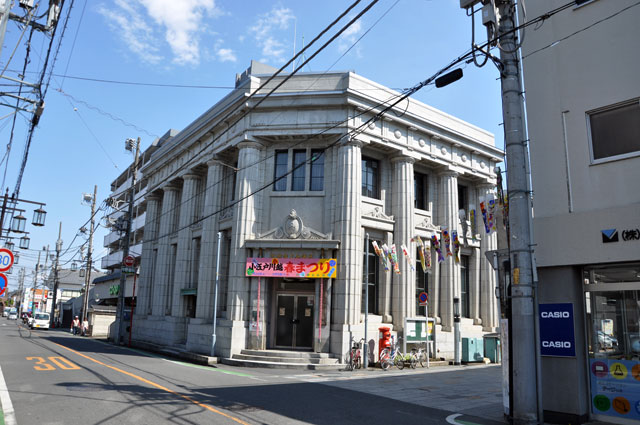
The Kawagoe Chamber of Commerce and Industry
Striking Western-style building with Parthenon-like columns, originally built as Bushu Bank.
the Old Yamazaki Family House Villa
Former private villa of the Kameya wagashi family, designed by architect Katsuya Yasuoka.
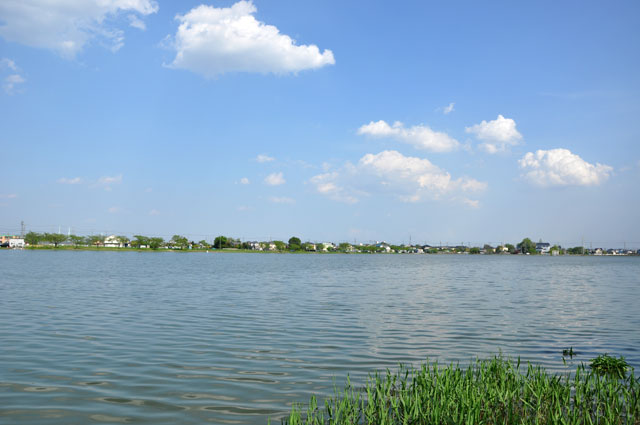
Isanuma
Saitama’s largest natural marsh in eastern Kawagoe, hosting a biennial fireworks display.
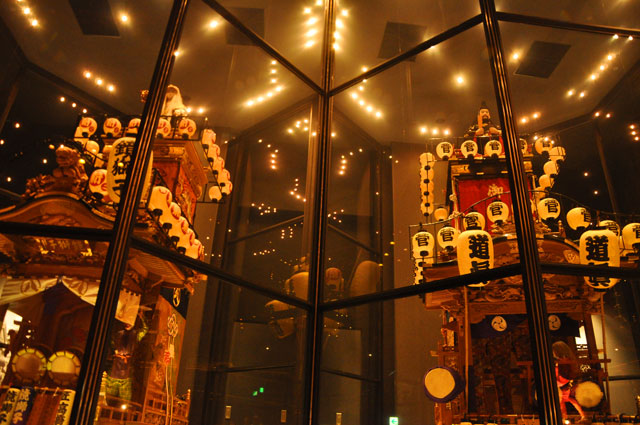
Kawagoe Matsuri Kaikan
Indoor museum dedicated to the Kawagoe Festival, displaying real towering festival floats.
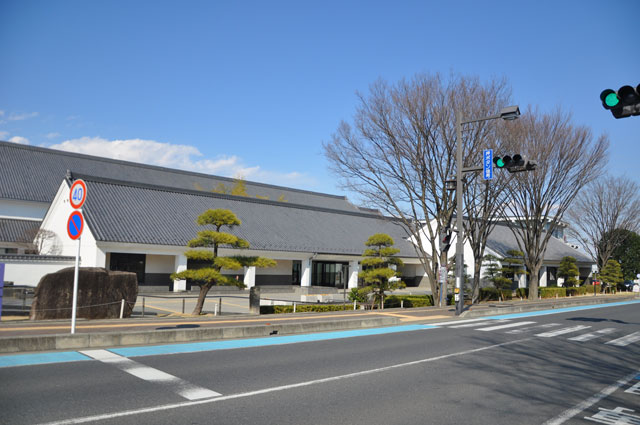
Kawagoe City Museum
Exhibits spanning from ancient haniwa clay figures to Kawagoe’s kurazukuri warehouse architecture.
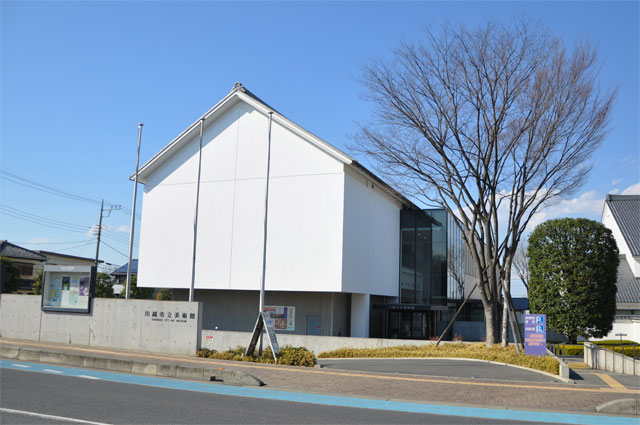
Kawagoe City Art Museum
Focuses on works by artists tied to Kawagoe, along with noteworthy special exhibitions.
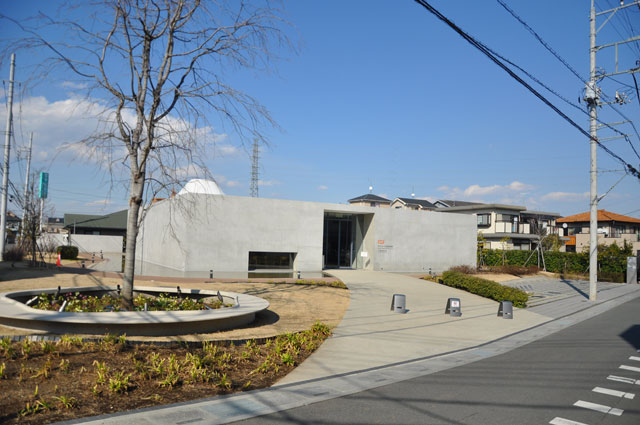
Yaoko Kawagoe Museum
Opened in 2012, housing around 150 works by painter Yuji Misu.
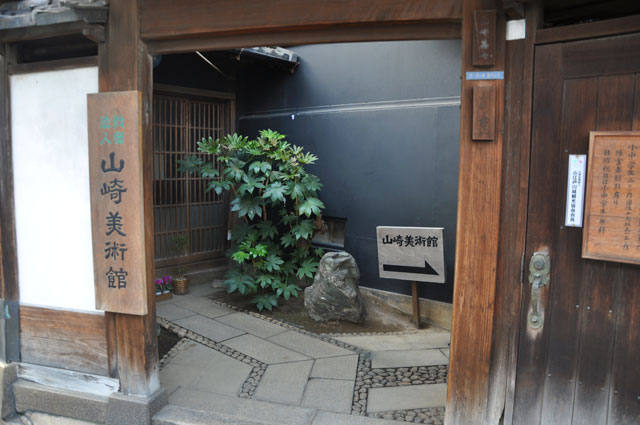
Yamazaki Art Museum
Features works by Gaho Hashimoto, a Kawagoe-born master painter.
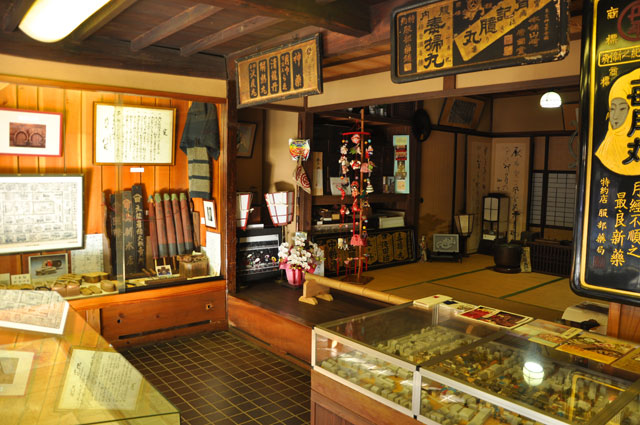
Hattori Folk Museum
Displays vintage geta sandals, retro signs, and folk items. Photography is generally prohibited.
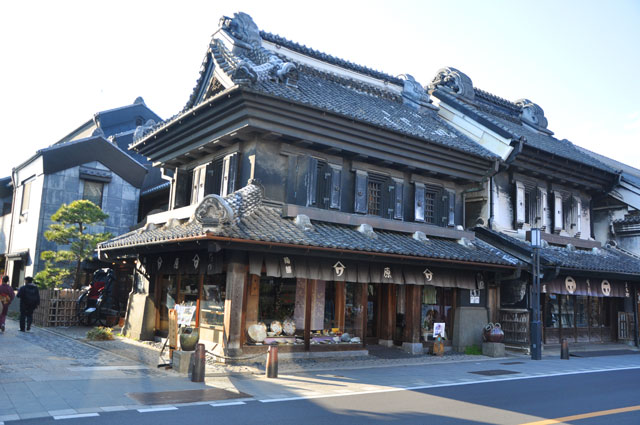
Touho Yamawa
Famous for its storefront used as the heroine’s family home in the 2009 NHK drama “Tsubasa.”
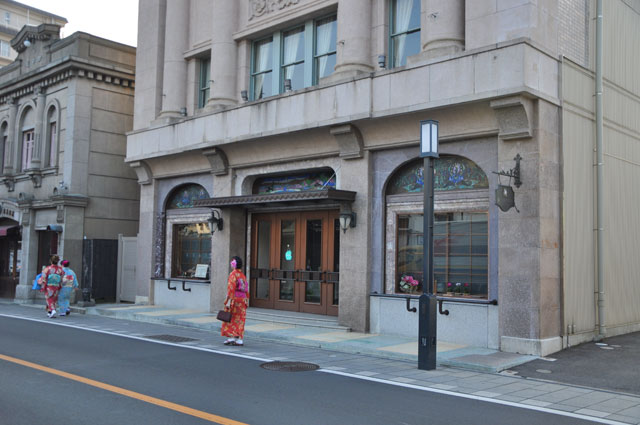
Yamakichi Department Store
Kawagoe’s first reinforced-concrete building, designed by Katsuya Yasuoka and formerly home to Maruhiro.
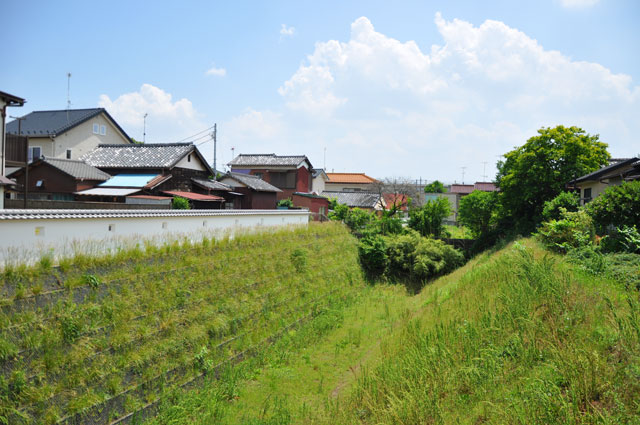
Kawagoe Castle Nakanomon Moat
Preserved section of Kawagoe Castle’s original Nakanomon moat.
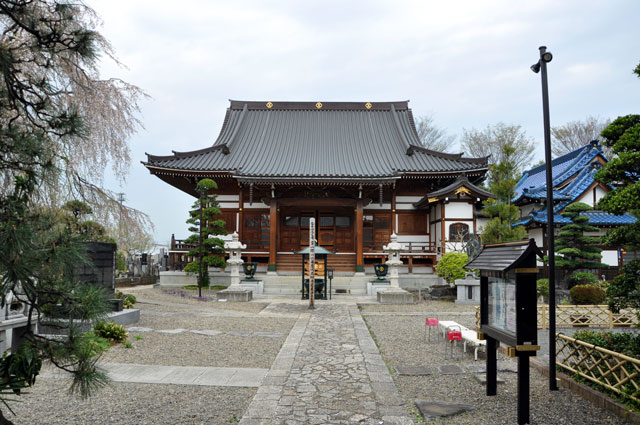
Jourakuji Temple
Ji-sect temple built on the historic site of the Kawagoe clan’s fortified residence.
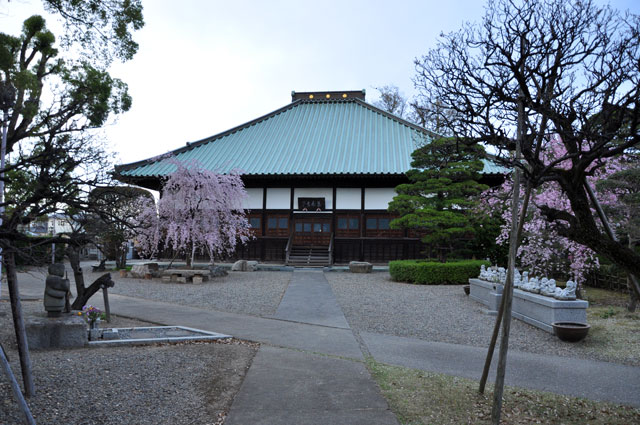
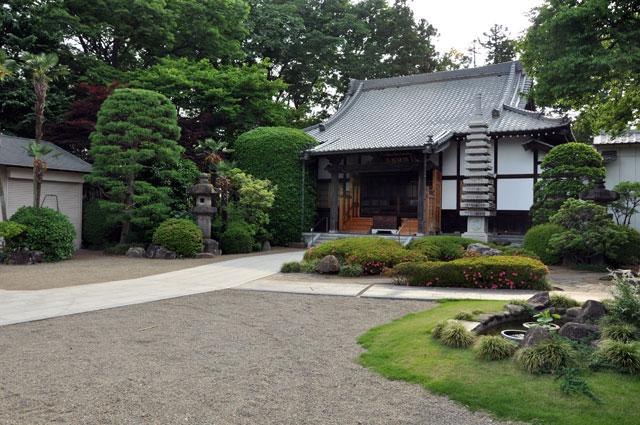
Houjouji Temple (Matobasan)
Peaceful Soto Zen temple in Matoba, Kawagoe.
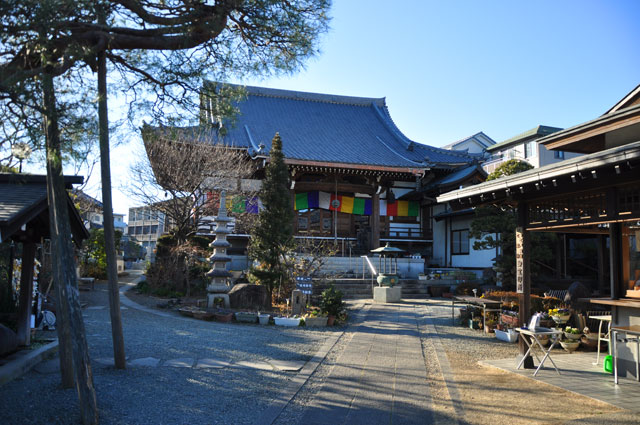
Tennenji Temple
Home to Jurojin, the second stop on the Kawagoe Seven Lucky Gods pilgrimage.

Toumyouji Temple
Historic temple where the Night Battle of Kawagoe—one of Japan’s three great night raids—took place.
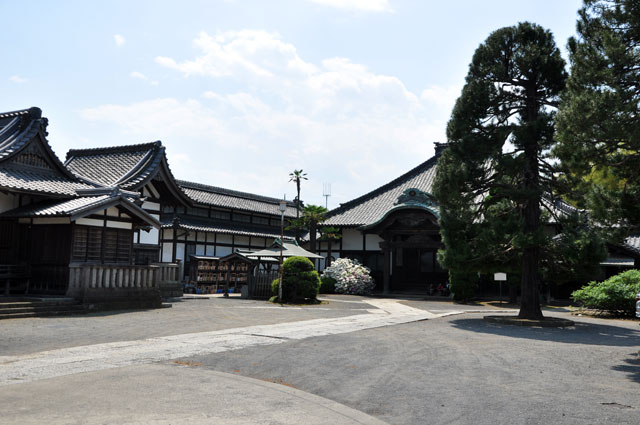
Kousaiji Temple
Features statues of “Agonashi Jizo” for toothaches and “Shiwabuki Baba” for coughs.
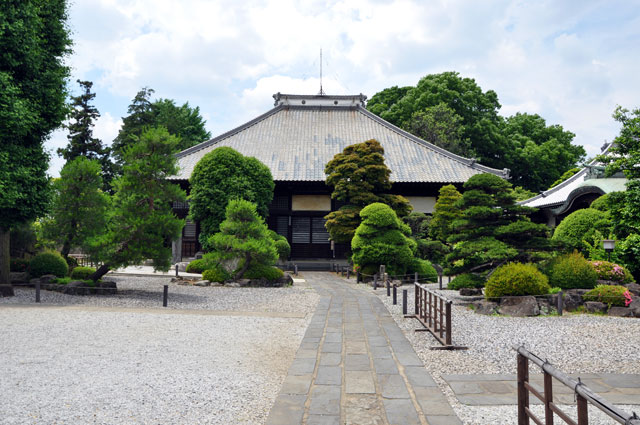
Youjuin Temple
Enter via the right side of the main gate; houses the grave of Kawagoe Shigeyori.
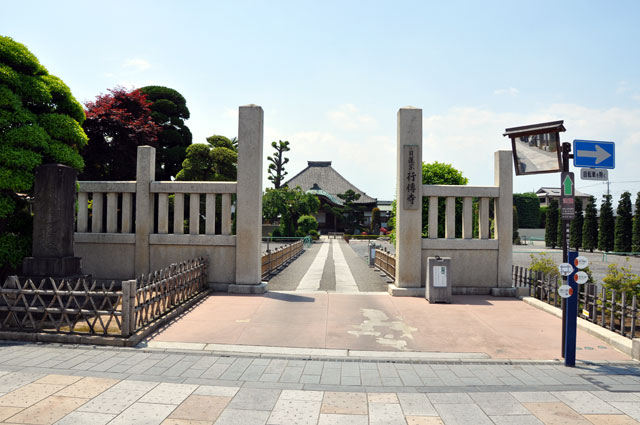
Gyoudenji Temple
Tucked just a minute’s walk west off an alley near the center of Ichibangai.
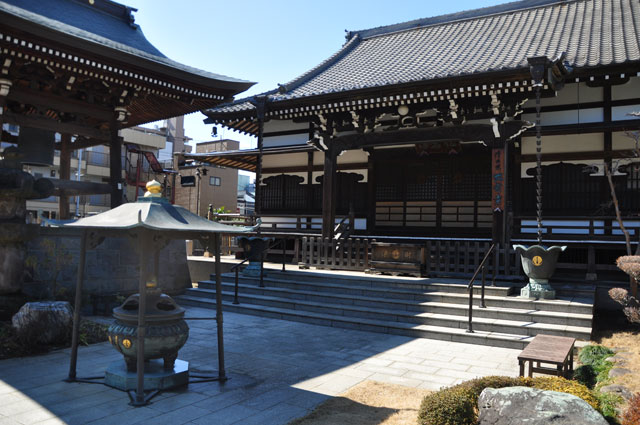
Saiunji Temple
Located across from Maruhiro Department Store on the Crea Mall side.
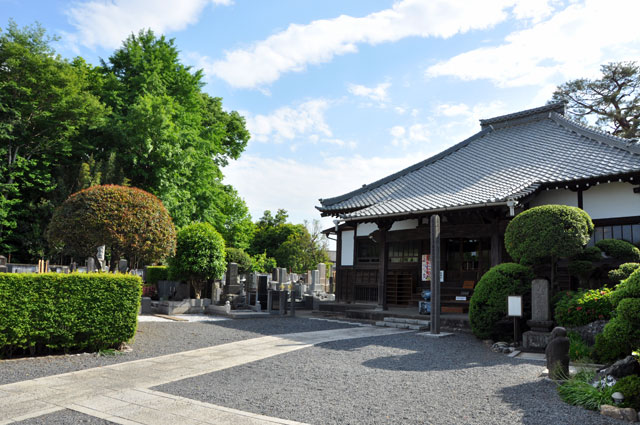
Kenryuji Temple
Hoteison, the sixth stop on the Kawagoe Seven Lucky Gods walk, with a lush sloped approach.
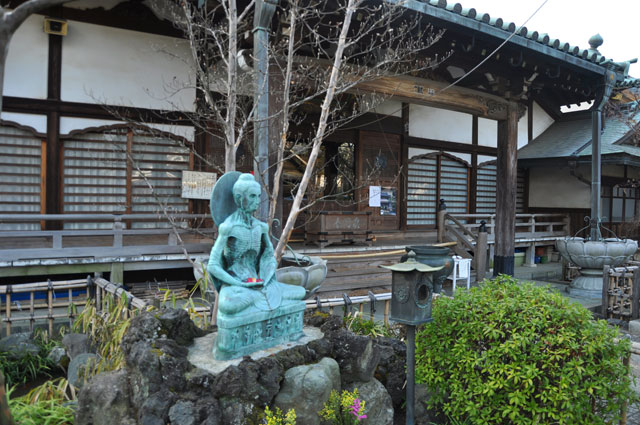
Choukiin Temple
At the end of an alley off Ichibangai, notable for its ascetic Shakyamuni statue.
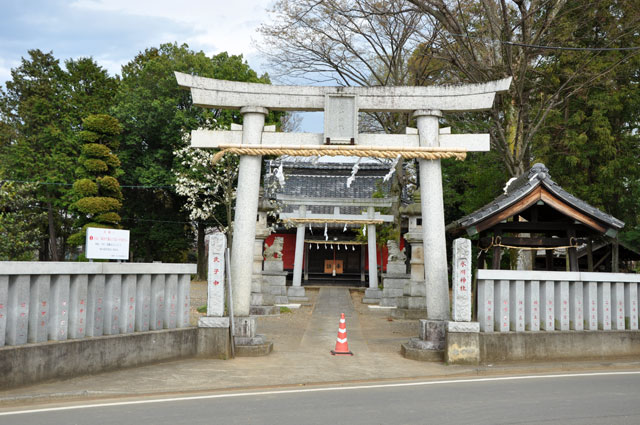
Hikawa Shrine (Kugedo)
A quiet Hikawa Shrine in Kugedo with a pond behind the main hall.
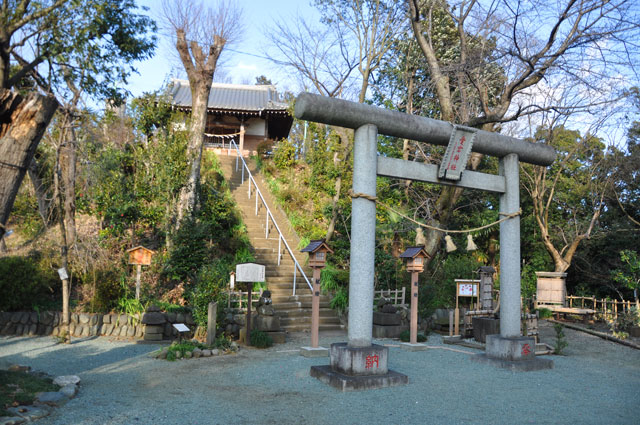
Senba Aikou Shrine (Aikou Shrine Tumulus)
Shrine atop the Chichizuka burial mound of the Semba Tumulus Cluster.
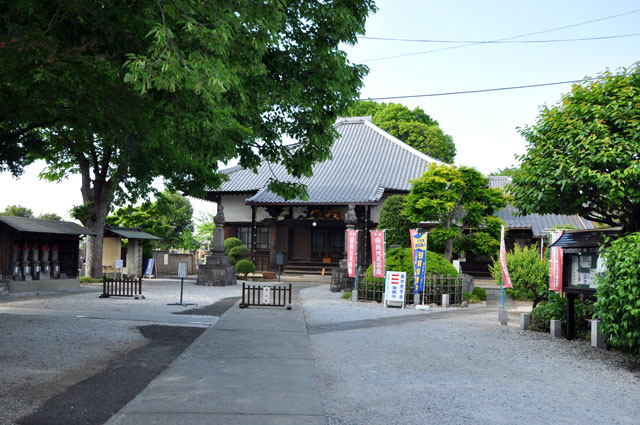
Dairenji Temple (Takazawa Fudouson)
Jodo-sect temple north of Candy Alley, said to have been founded in memory of Renkeini.
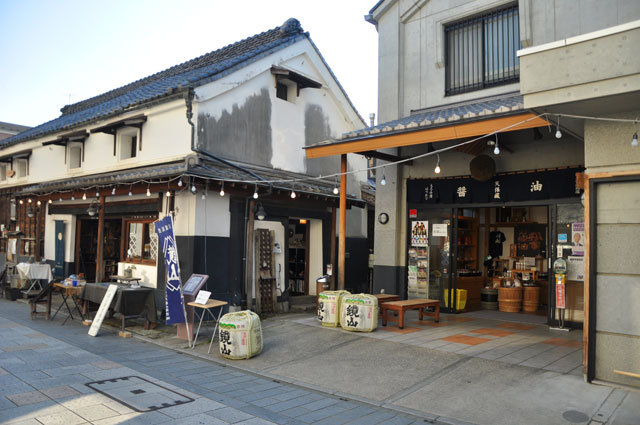
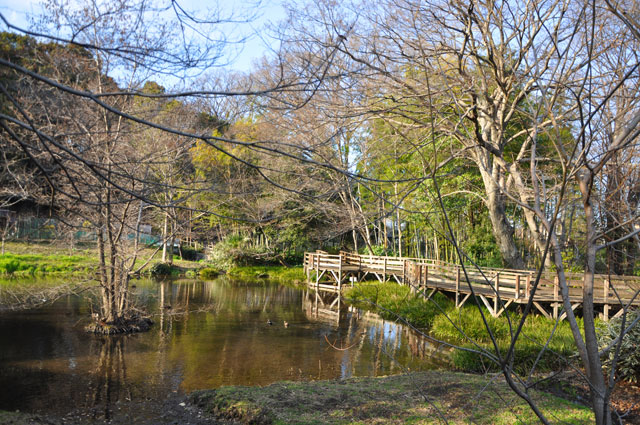
Senbagashi Historic Park
Historic park with wooden boardwalks on the site of the former Semba river port.
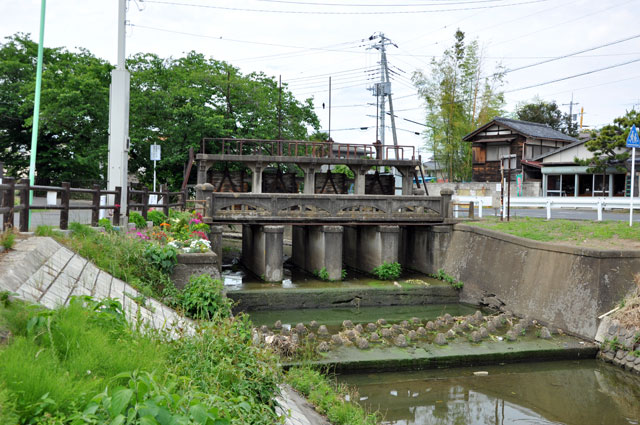
Tayazeki
Pre-war weir across the Shingashi River that also serves as a footbridge.
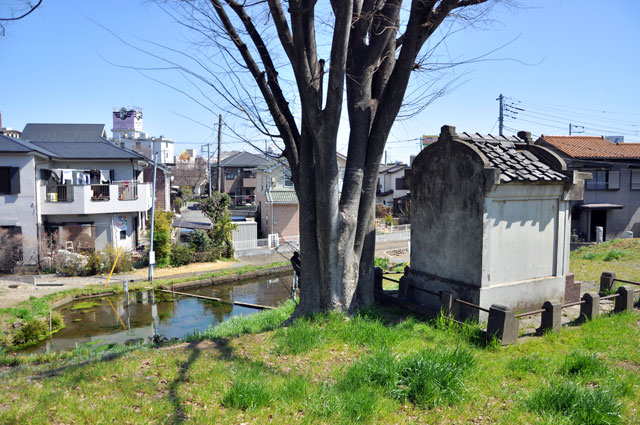
Tatsuike Benzaiten
Spring-fed twin ponds and a tiny shrine with a charming retro RPG-like atmosphere.
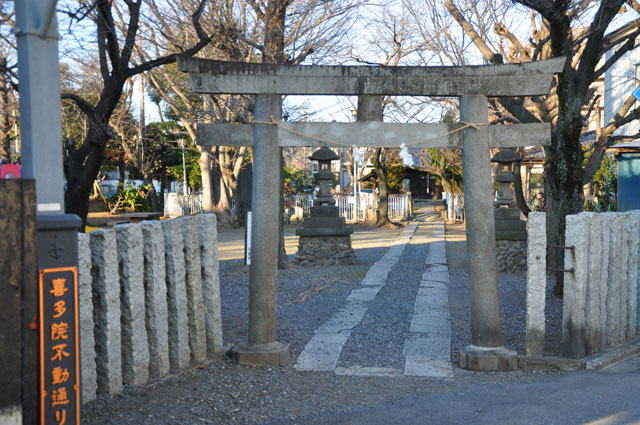
Ukishima Inari Shrine
Known as Ukishima-sama, a shrine for safe childbirth surrounded by a park and pond.
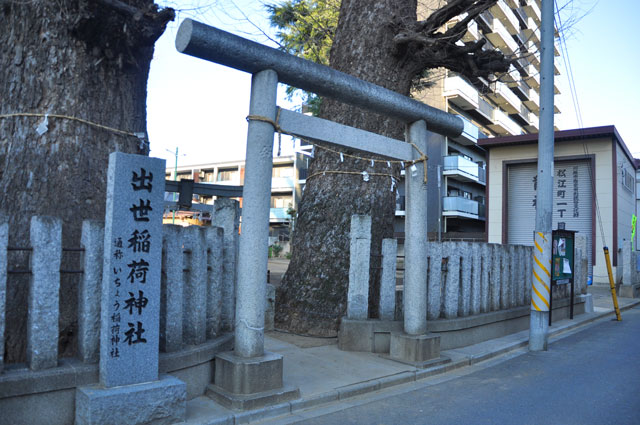
Shusse Inari Shrine
Enshrined from Kyoto’s Fushimi Inari Taisha, featuring two large ginkgo trees.
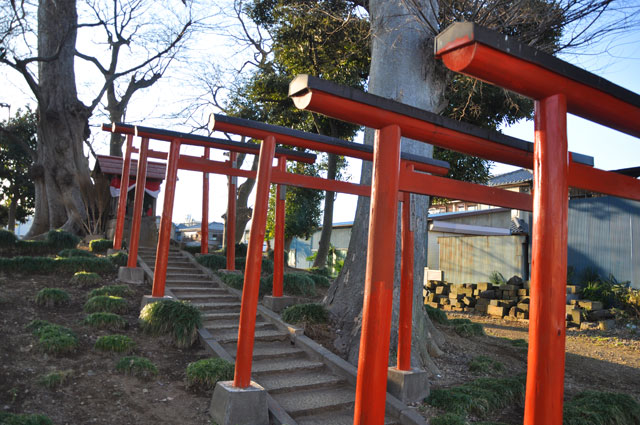
Sanpen Inari Shrine Tumulus
Square tumulus topped by an Inari shrine with red torii gates, part of the Semba Cluster.
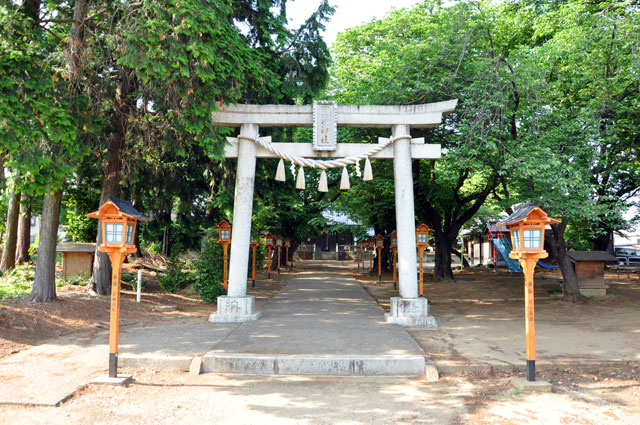
Uwado Hie Shrine
Founded in the Heian period by the Kawagoe clan from Kyoto’s Hie Shrine.
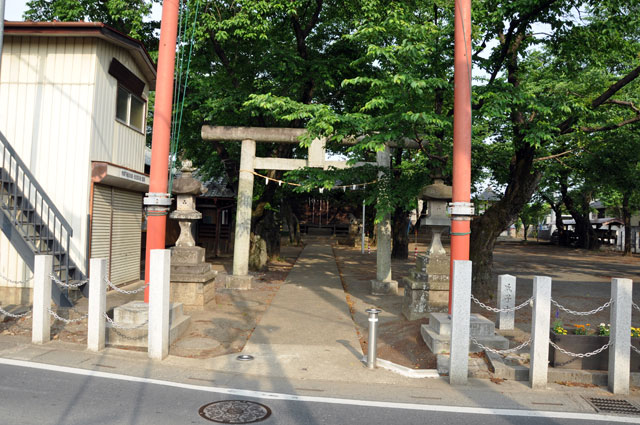
Yasaka Shrine (Matoba)
Shrine in Matoba well known as a local cherry blossom spot.
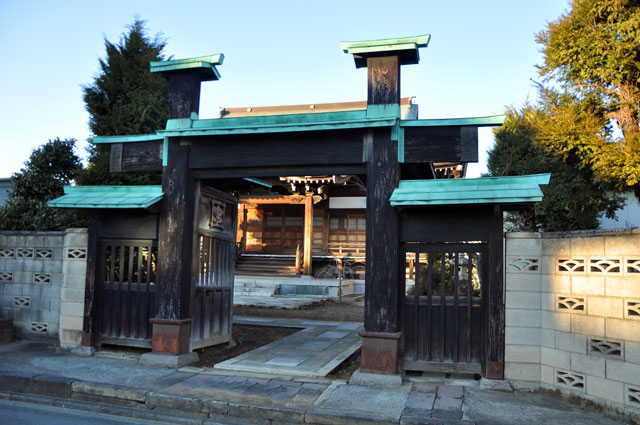
Myouyouji Temple
Noted for its distinctive samurai gate and historic temple-town setting.
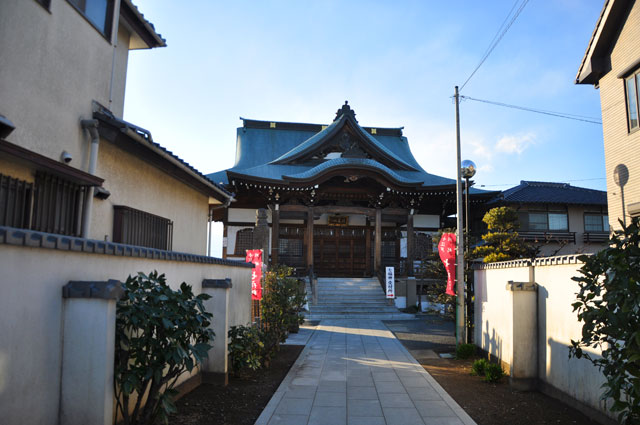
Myoushouji Temple
Benzaiten, the seventh stop on the Kawagoe Seven Lucky Gods pilgrimage.

Myouzenji Temple
Bishamonten, the first stop on the Kawagoe Seven Lucky Gods pilgrimage.
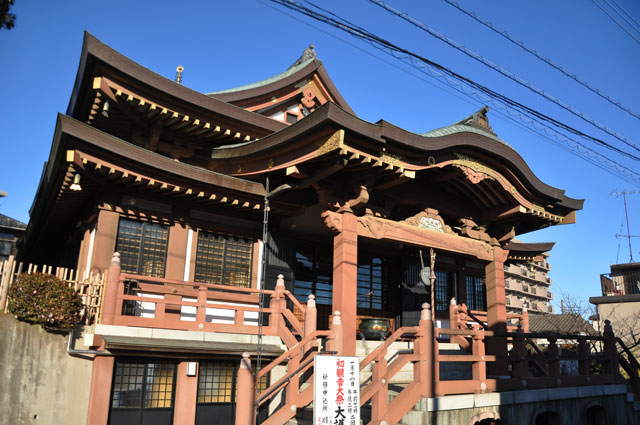
Chotokuji Temple (Kawagoe Kannon)
Temple thought to stand on the former residence of the Semba clan.
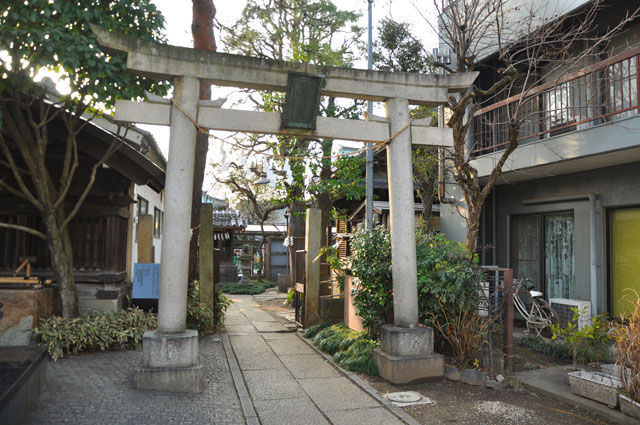
Yukiduka Inari Shrine
Inari shrine associated with business prosperity and a local white-fox legend.
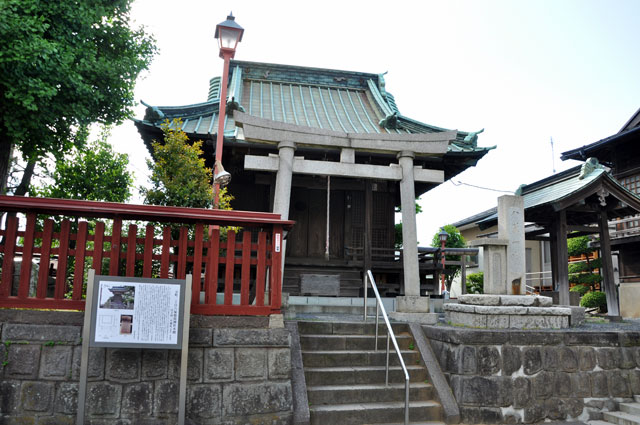
Mutsuduka Inari Shrine
Located just west of Fudanotsuji intersection before the Shingashi River.
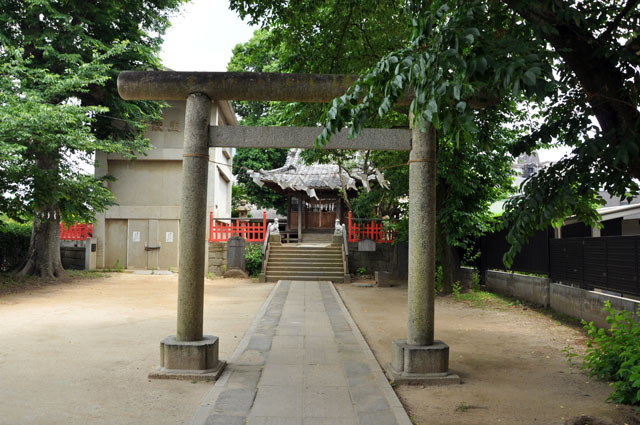
Karasuyama Inari Shrine
Said to have been built by Ota Doshin as a temporary shrine when constructing Kawagoe Castle.
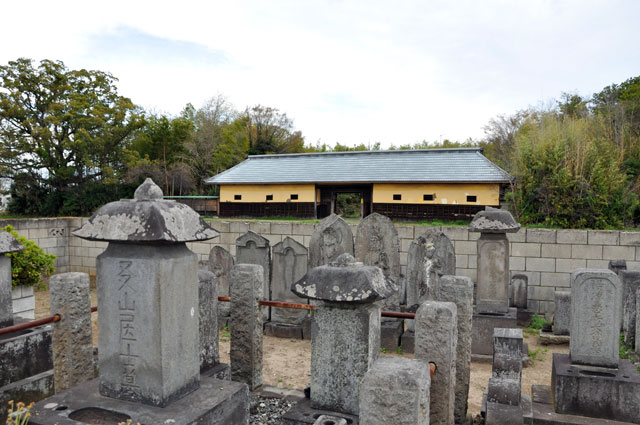
Yuzan Okunuki's Grave and Okunuki Family Nagaya-mon Gate
Grave of Yuzan Okunuki, hero of the Kanpo Great Flood relief, and the Okunuki Nagaya-mon gate.
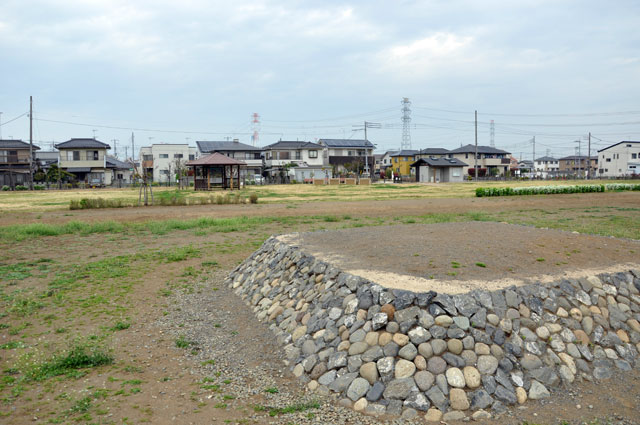
Kawagoeyakata(Kawagoekan) Historic Park
Historic park preserving the remains of the medieval Kawagoe clan’s fortified residence.
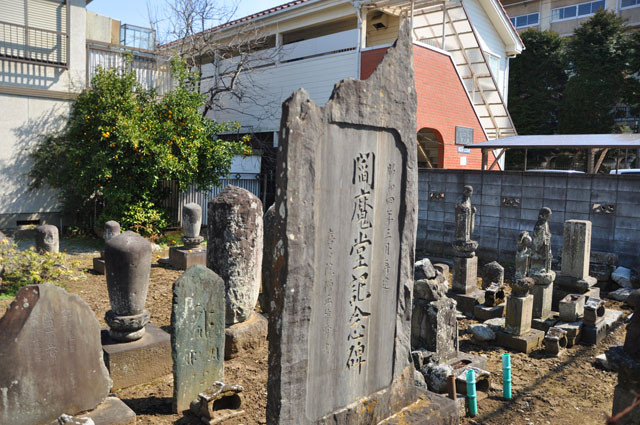
Minamiin Temple Ruins
Stone monuments marking the ruins of the former Minamiin Temple.
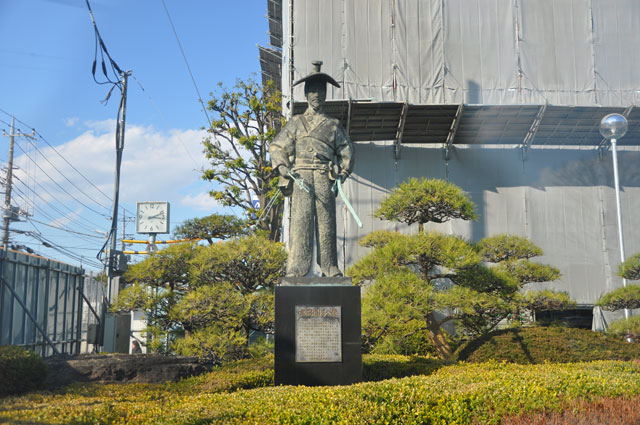
Statue of Ota Dokan
Statue of Ota Dokan, builder of Kawagoe and Edo castles, standing in front of City Hall.
For First-Time Visitors to Kawagoe
We created a Beginner's Guide for first-time visitors to Kawagoe, summarizing classic sightseeing spots, which stations to use, and how much time you'll need.
Please also check out our Recommended Kawagoe Sightseeing Course page for a concrete itinerary and the Kawagoe Walking Map page for helpful maps.
Subjective Rankings of Koedo Kawagoe Sightseeing Spots
Hidden Gems in Kawagoe
2 Miyoshino Shrine — The approach path (Tenjin-sama no Hosomichi) has a great atmosphere, and cats sometimes appear.
3 Kawagoe Castle Fujimi Turret Ruins — About a 2-minute walk takes you to a tucked-away shrine.
Spots Featured on "Buratamori" (Aired June 20, 2015)
2 Toki no Kane (Bell of Time) — Where Tamori and the hosts climbed up and rang the bell.
3 Toho Yamawa — Second-floor windows and more; also used in the 2009 NHK morning drama.
4 Kitain Temple — The Birthplace of Tokugawa Iemitsu (Kyakuden), Lady Kasuga's Dressing Room (Shoin), and more.
Places with Plenty of Photo Spots
2 Kitain Temple — Photography is prohibited indoors, but there are hidden gems like the Matsudaira Yamato-no-Kami Family Mausoleum.
3 Kawagoe Castle Honmaru Goten — Japanese-style subjects such as fusuma sliding doors, shoji screens, tatami mats, corridors, and gardens.
4 Nakain Temple — Not large, but a scenic temple full of greenery.
Unexpected Highlights of Kawagoe
2 Giant Trees — Depending on the spot, more impressive than a shrine or temple's main hall.
3 Ordinary Neighborhood Houses — Plenty of retro details like weathered corrugated tin and rusted signs.